
Database CMS, Git CMS or no CMS
The useful CMS question is not which platform is best. It is what people need to edit, how often the data changes, and which architecture adds the least unnecessary maintenance.
Read articleI write about the technologies and decisions I use in real web work. Astro, modern frontend tooling, and modern deployment workflows sit alongside PHP, WordPress, Laravel, APIs, and integrations. The guides are not built around one preferred stack. They focus on why a tool fits, how it behaves in production, and how to build something that remains understandable. Examples range from content-driven sites and Cloudflare deployments to backend features, booking flows, and projects connected to Thailand.
Browse topics
38 practical guides
The useful CMS question is not which platform is best. It is what people need to edit, how often the data changes, and which architecture adds the least unnecessary maintenance.
Read article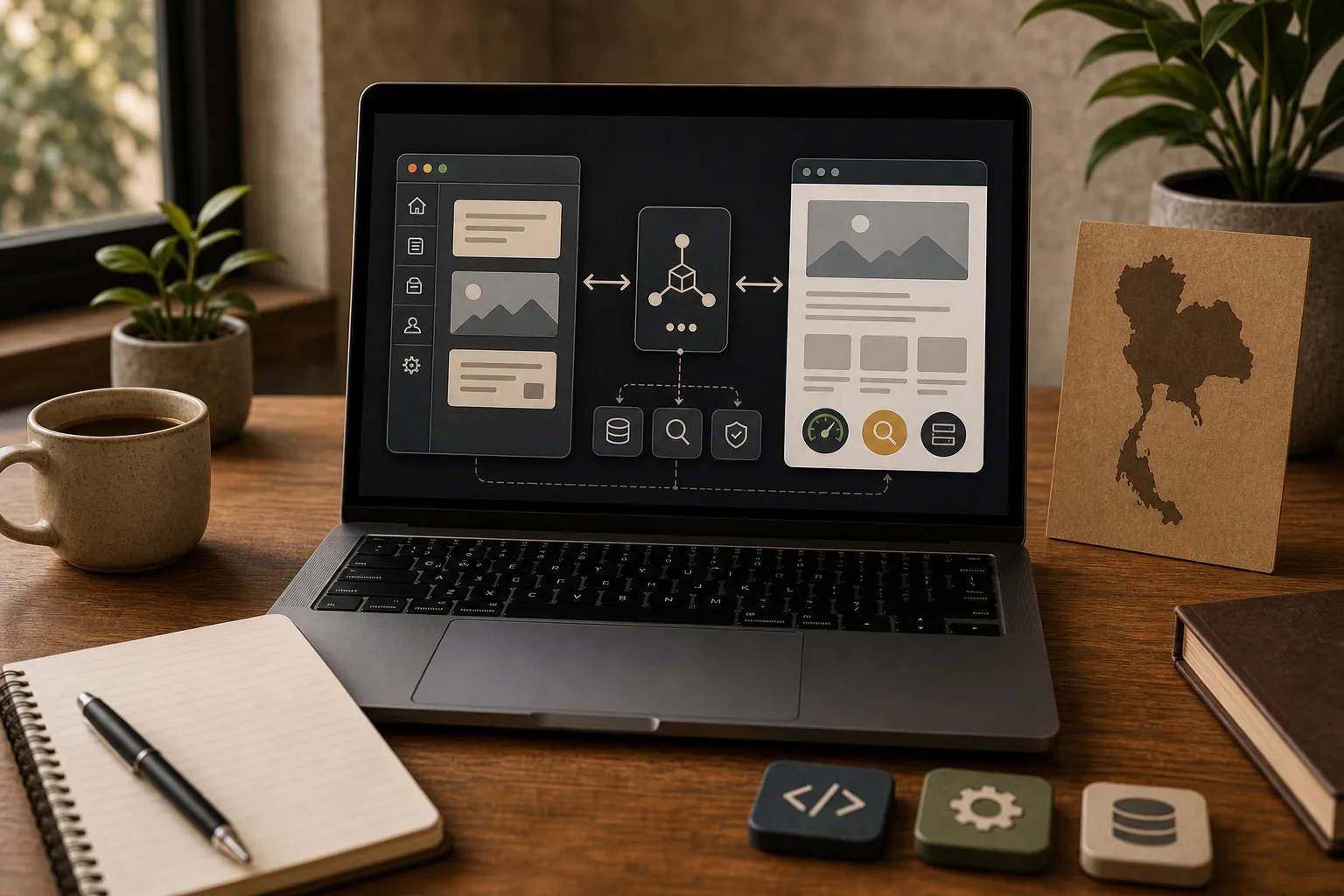
Headless WordPress keeps WordPress as the editing system but replaces the public theme with a separate frontend. That can be useful, but it adds architecture, deployment, preview, SEO, and maintenance decisions.
Read article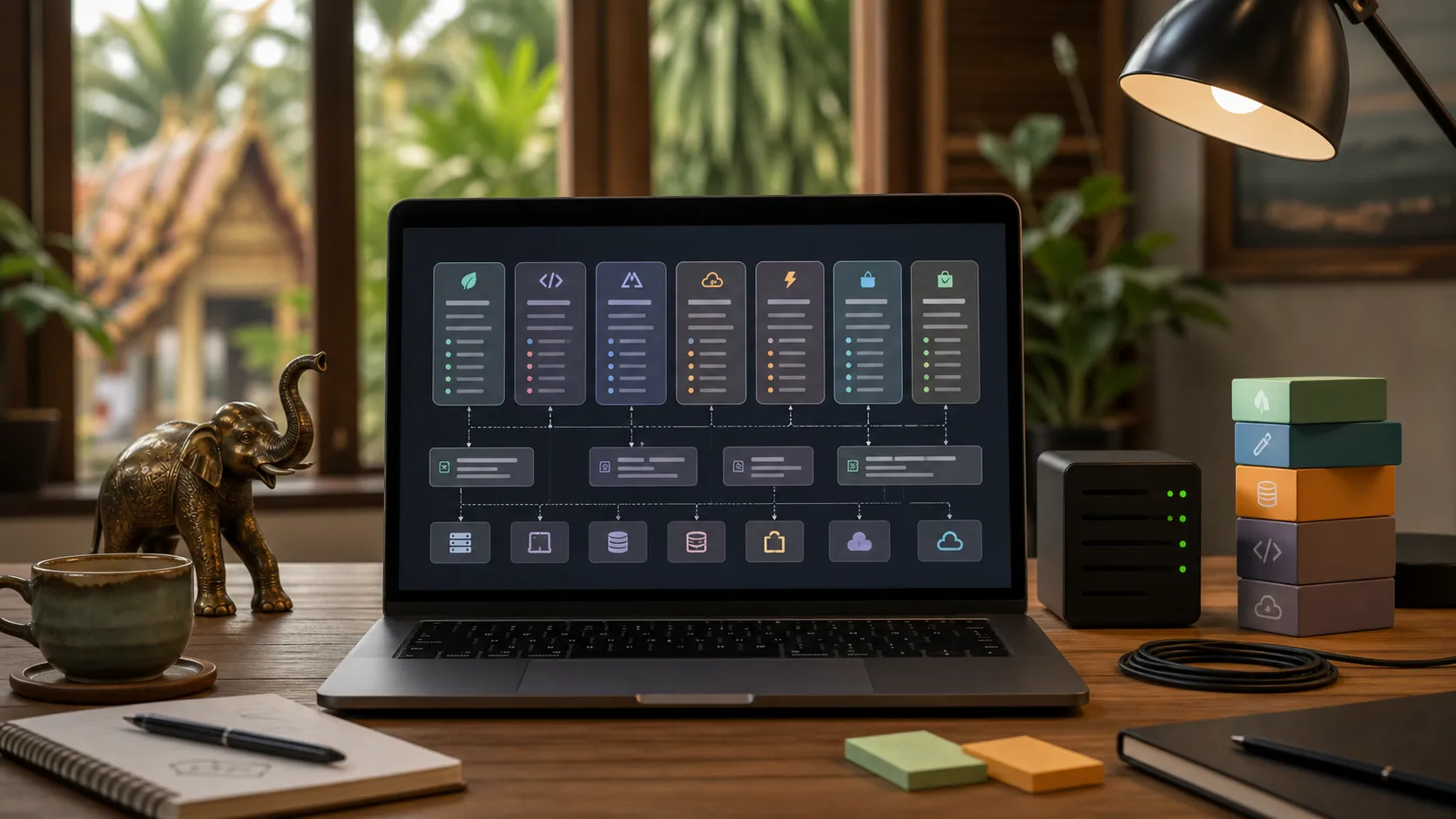
Web stack names are shorthand for the technologies used together to build and run a website. The useful question is not which acronym sounds modern, but which stack fits the business, content, maintenance, SEO, and hosting needs.
Read article
Claude's official plugin ecosystem includes partner plugins too. This guide focuses only on the internal Anthropic-maintained plugins and what each one adds to Claude Code.
Read article
Astro and Cloudflare are a dependable stack for AI-ready websites when the project needs fast HTML, structured content, clean metadata, markdown output, and controlled edge behavior.
Read article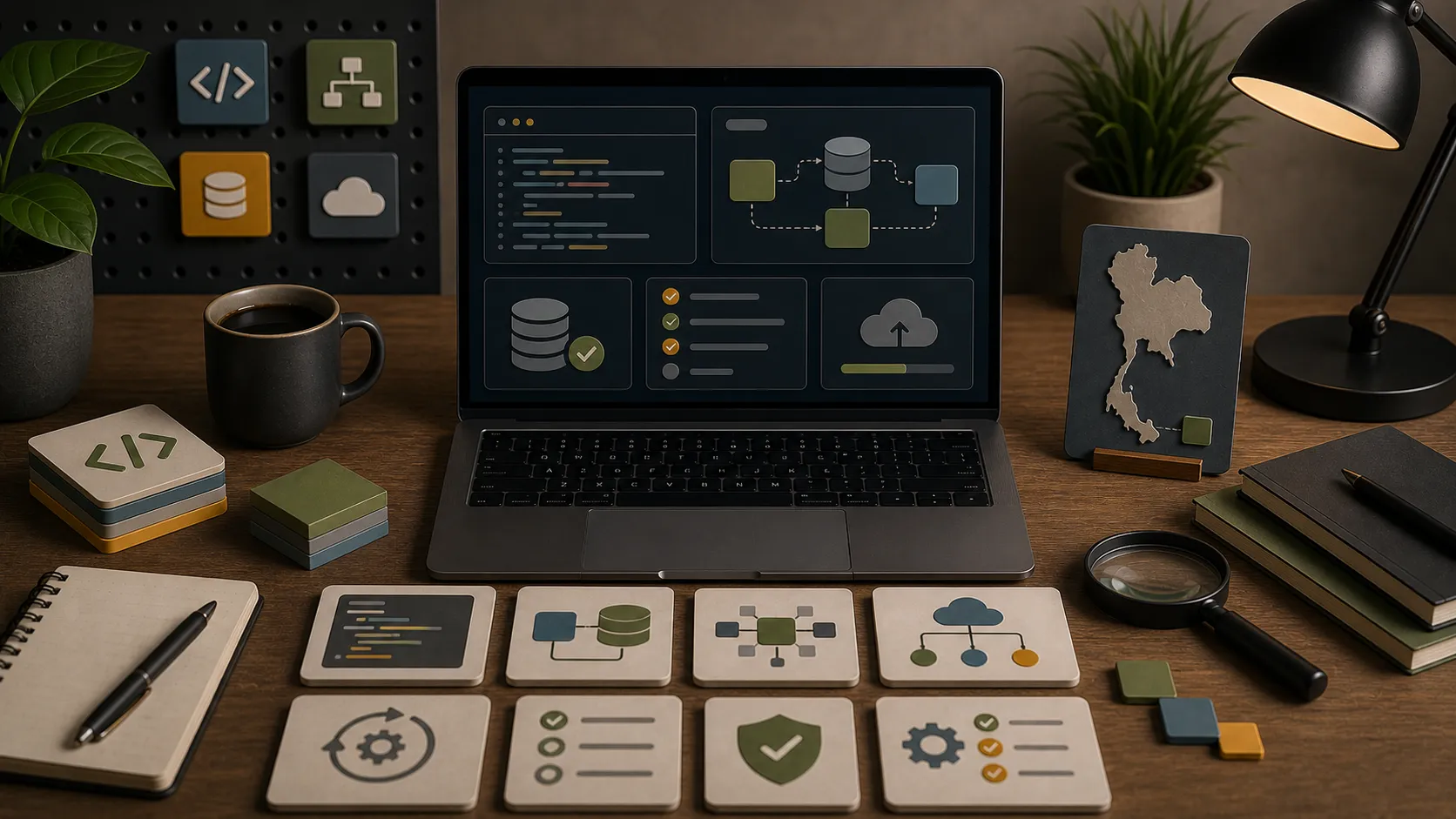
PHP development is often careful work on a system that already runs the business: fixing faults, upgrading versions, modernizing fragile code, and preserving the workflows that matter.
Read article
The newest AI models are expensive and the older ones are cheap. The workflow that makes both worthwhile: use the frontier model to write the rules, and let the cheaper models follow them.
Read article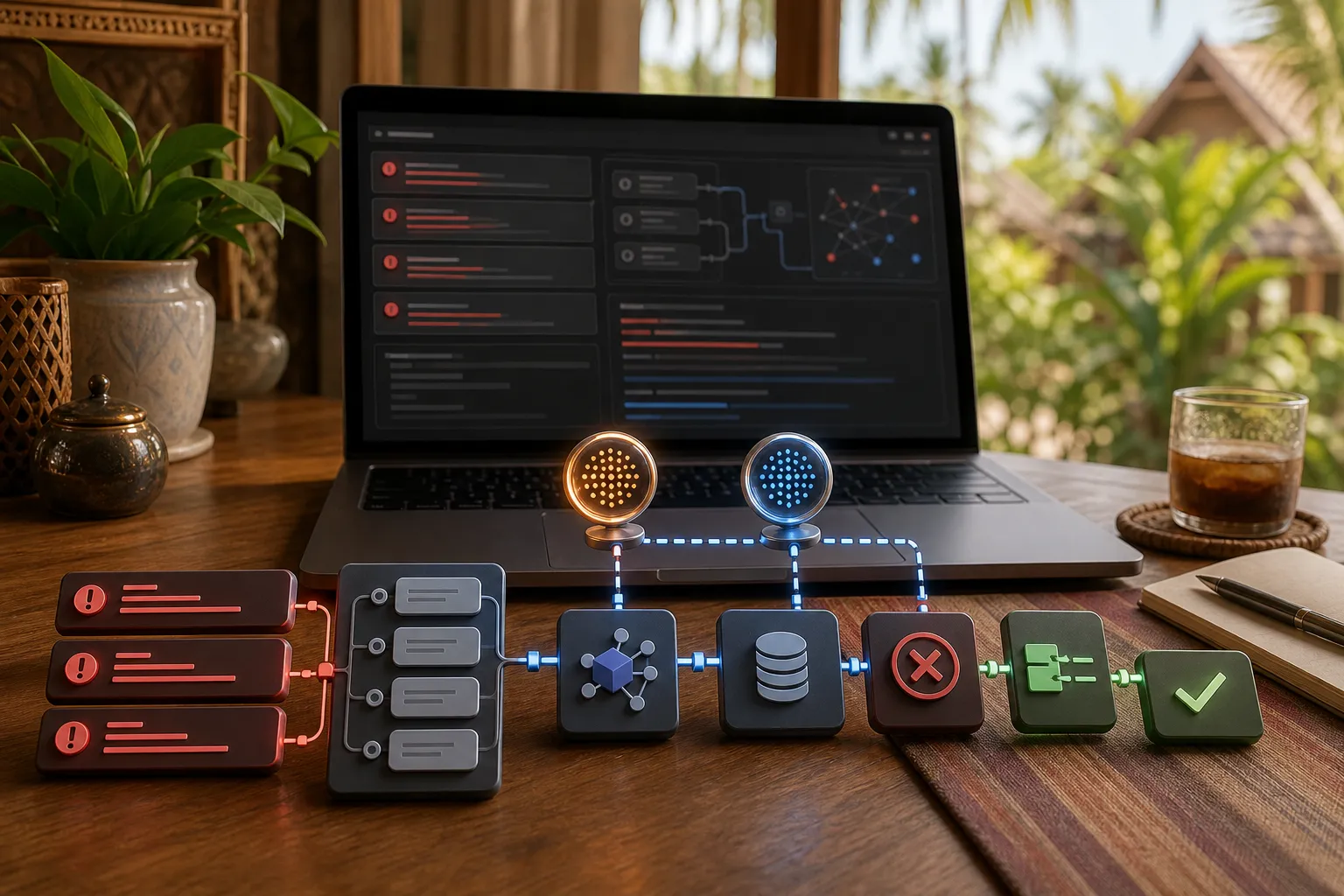
Claude Code and Codex can speed up debugging when the work starts with evidence: logs, reproduction steps, recent changes, failing tests, and clear verification.
Read article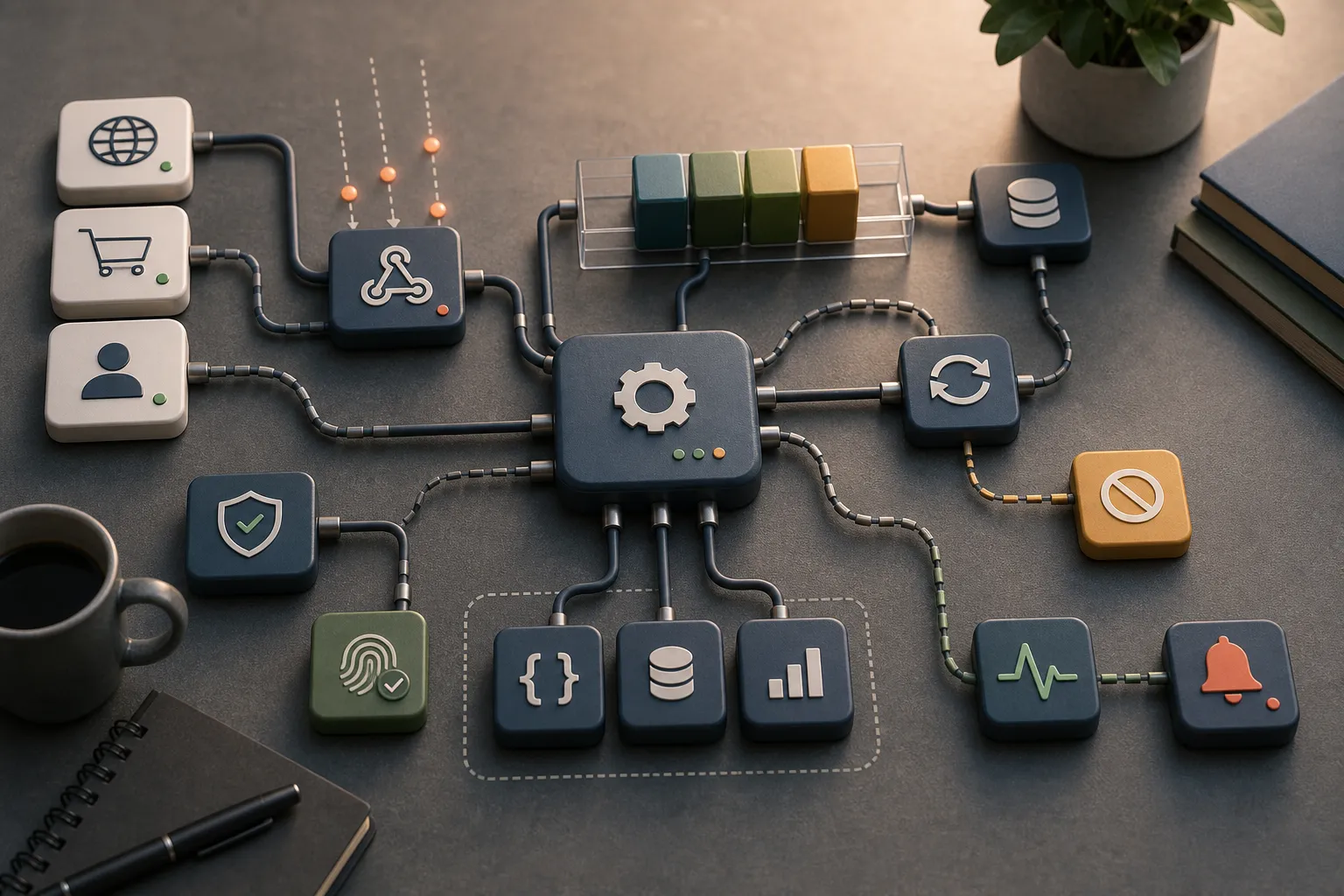
An API integration is not reliable because one request worked during development. It is reliable when duplicate messages, timeouts, partial failures, and external outages are handled deliberately.
Read article
A WordPress performance audit should measure where time and resources are spent, then fix the actual bottlenecks without risky blanket cleanup.
Read article
A website migration may change only the hosting infrastructure or replace URLs, content, and platform architecture. This checklist separates the two paths and keeps the move controlled.
Read article
An existing website rarely needs to be replaced just because parts of it are slow, difficult, or outdated. A focused improvement plan can often create more value with less risk.
Read article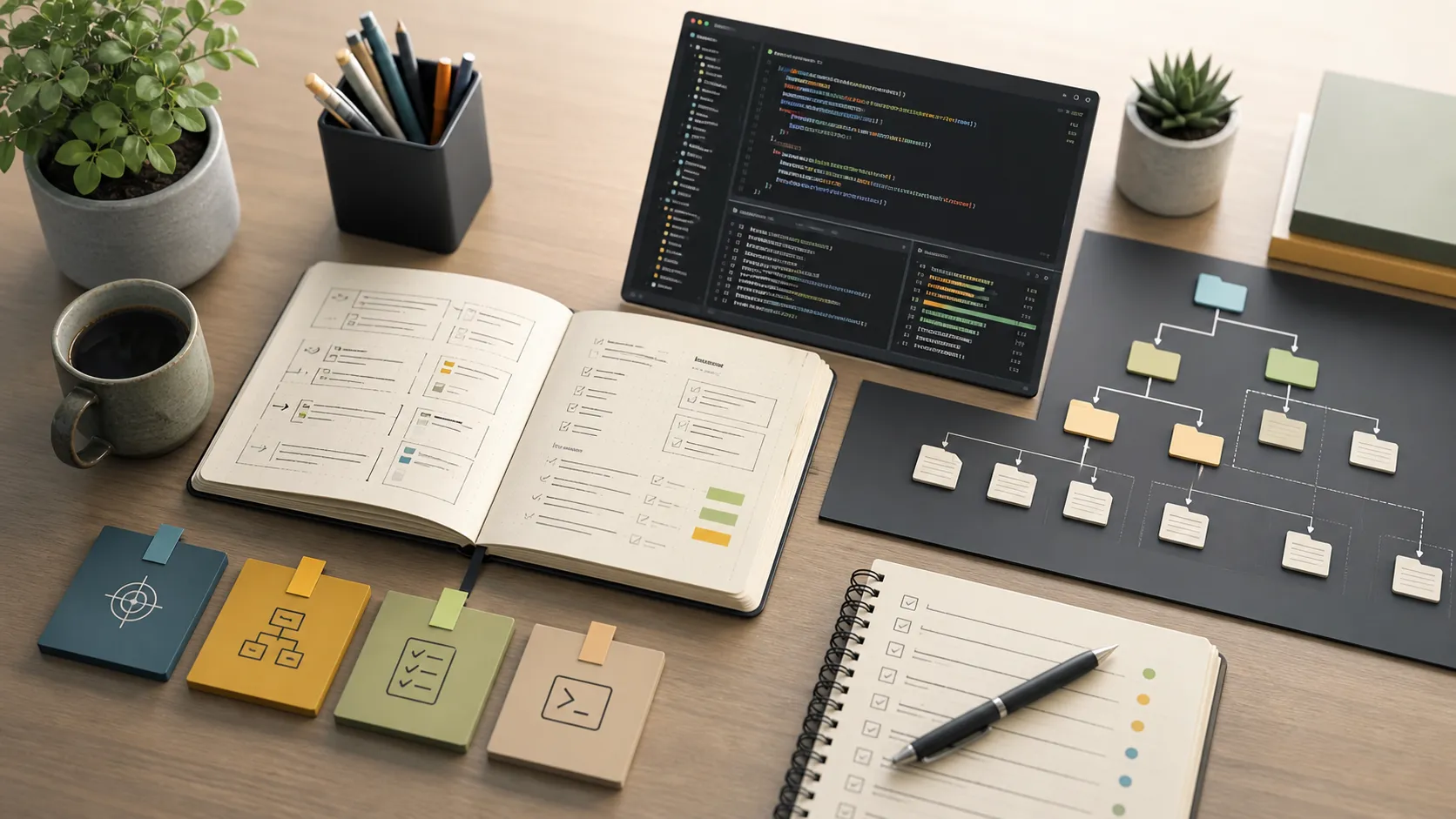
Programming with AI works best when it teaches decisions, not just writes code: ask for best practice, review the diff, and keep dangerous commands behind clear approval.
Read article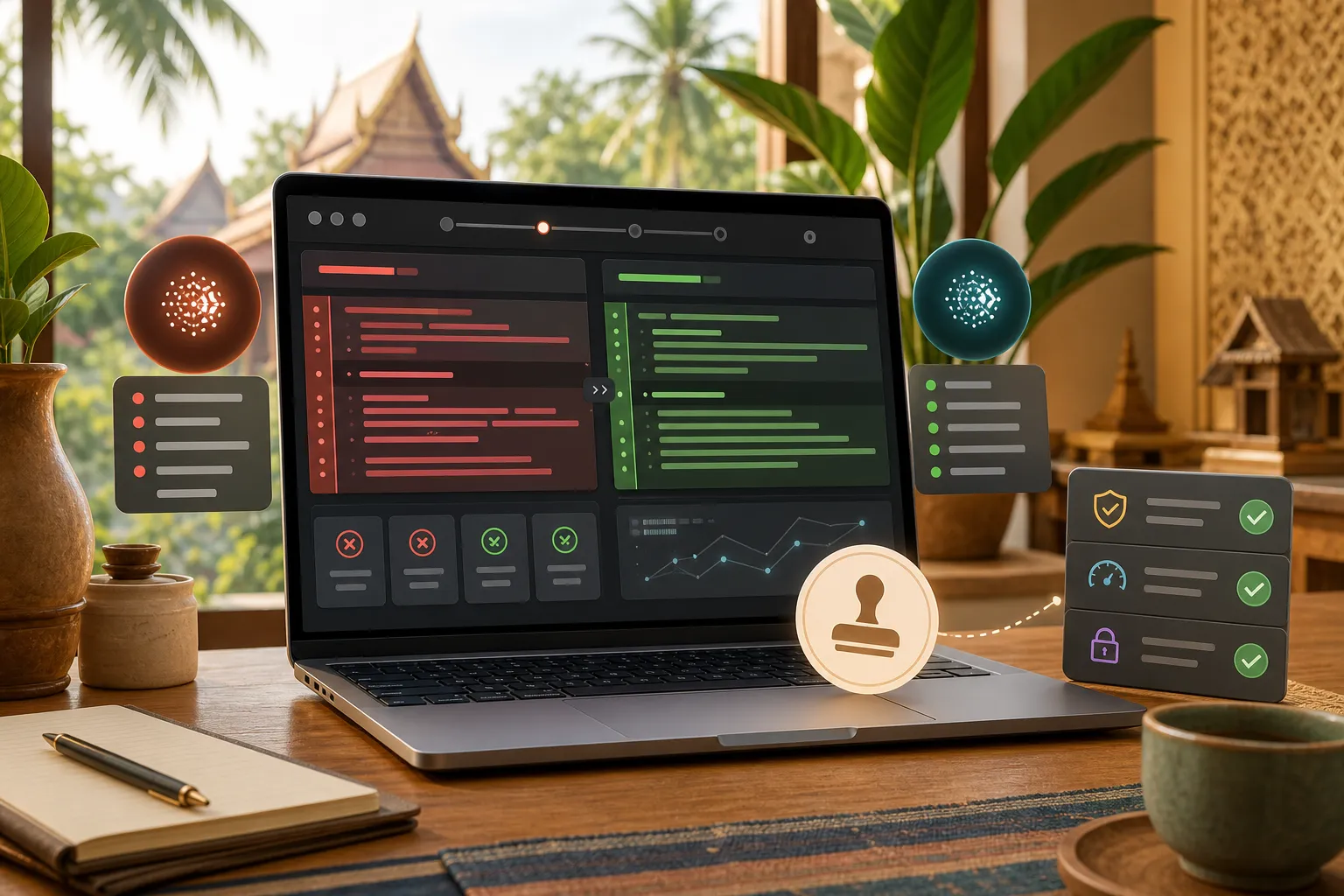
Claude and Codex can help review code changes, but the useful workflow is focused on concrete risks: regressions, tests, security, performance, and deployment.
Read article
Agent and AI readiness means making useful website content, policies, formats, and actions understandable to automated systems while keeping control over access, load, privacy, and business value.
Read article
Choosing a web developer should be based on a good working relationship: clear communication, maintainable code, realistic scope, technical SEO knowledge, and support after launch.
Read article
Keep stable project rules in one shared source, then add small tool-specific exceptions for capabilities, permissions, validation, and local workflows.
Read article
A booking website stands or falls on decisions made before anyone picks a calendar: how a booking is confirmed, which system owns availability, how money and cancellations work, and what staff need afterwards.
Read article
Security, privacy, and protocol details shape how browsers, crawlers, users, and external systems trust a site. This guide covers HTTPS, HSTS, CSP, cookies, security.txt, privacy, error handling, redirects, monitoring, and other technical signals that support stable SEO.
Read article
WooCommerce checkout problems need careful diagnosis because payment, order status, email, stock, tax, shipping, and third-party callbacks all meet in one flow.
Read article
Claude Code and Codex are useful in existing codebases when the work starts with repository context, clear boundaries, small changes, and verifiable results.
Read article
A contact form is only useful when the full lead flow works: validation, spam protection, email delivery, internal ownership, tracking, and a tested fallback.
Read article
Security cleanup should restore control, remove the cause, review access, harden the setup, and leave the website easier to monitor and maintain.
Read article
A website handover should leave the business with access, documentation, backups, deployment notes, analytics ownership, and a clear support path.
Read article
Mobile usability and accessibility are technical quality issues, not optional polish. This guide shows how to find, prioritize, fix, and verify barriers in layouts, navigation, forms, content, and shared components.
Read article
Website email delivery should be treated as infrastructure. If forms, bookings, or order emails disappear, the website may be losing leads without visible errors.
Read article
A multilingual website needs more than translated text. Routes, metadata, internal links, language alternates, and content workflows should all be planned.
Read article
ChatGPT and Claude are not a winner-takes-all choice. The real advantage comes from using the right AI for planning, implementation, debugging, review, and controlled code changes.
Read article
Cloudflare is one of the few web infrastructure tools I genuinely like for smaller websites, as long as the setup stays deliberate.
Read article
Thailand can be a good base for remote technical work, but only once the business already runs at a distance. What to check first, and where the visa rules stand.
Read article
Core Web Vitals measure loading, visual stability, and responsiveness. This guide explains LCP, CLS, INP, and how performance work fits technical SEO.
Read article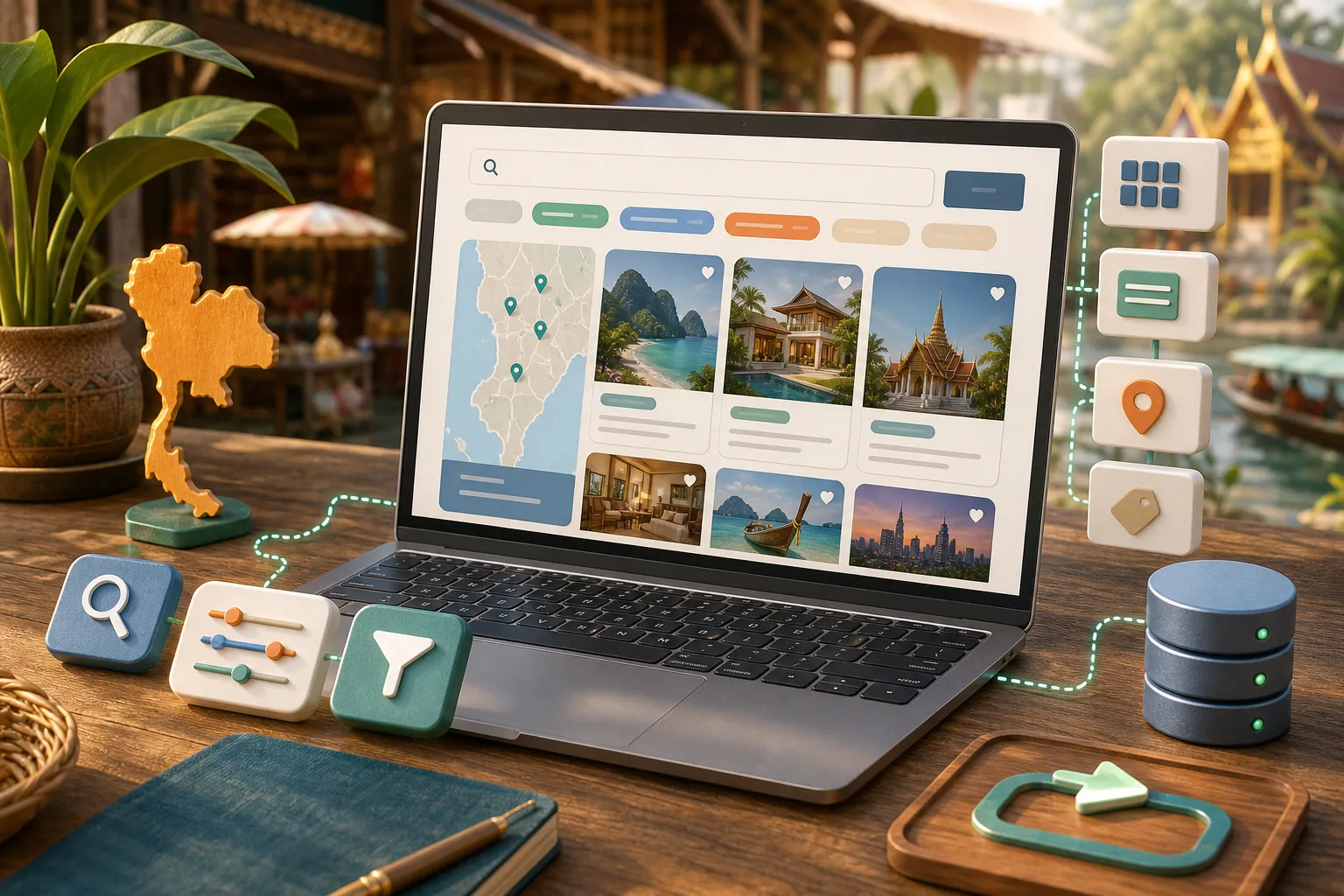
Search and filtering become business-critical when visitors need to compare villas, tours, services, products, locations, dates, or categories before contacting you.
Read article
Laravel development should make backend systems easier to operate: clear structure, reliable integrations, visible background work, and controlled deployment.
Read article
Custom WordPress development should make plugins, themes, integrations, and existing business workflows safer to change and easier to maintain.
Read article
Make sure pages are crawlable, indexable, and easy to understand. This guide covers internal links, sitemaps, canonicals, redirects, rendering, and crawl friction.
Read article
Google Search keeps shifting through core updates, spam updates, Discover changes, and AI-powered search features. This guide explains the most important recent updates first, then connects them to older algorithm changes such as Helpful Content, Core Web Vitals, BERT, Penguin, and Panda.
Read article
A guide to reducing a website's data transfer, computation, and energy waste through efficient delivery, caching, hosting, and responsible AI.
Read the CO2-friendly website guide
PHP did more than survive three decades of web development. It made dynamic websites accessible, grew from personal tools into a community language, and kept evolving without abandoning its practical character.
Read article